DOT Enforces New Airline Consumer Protection Rule: Cash Refunds
Anúncios
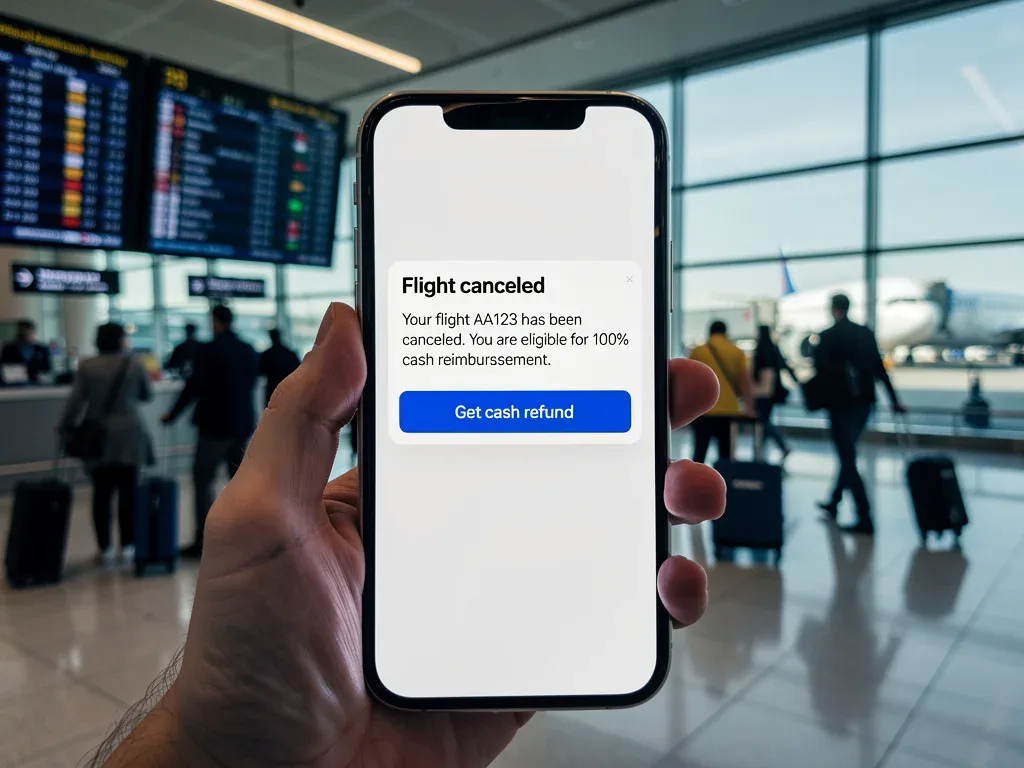
Tired of fighting airlines for your money back when a flight gets canceled? Under the new DOT Airline Consumer Protection Rule, carriers are now legally required to issue 100% cash reimbursements within seven days.
This landmark federal regulation eliminates the frustration of unwanted travel vouchers and endless customer service runarounds. Whether your trip is canceled or significantly delayed, your passenger rights are now backed by a strict repayment deadline.
For U.S. travelers, these stronger aviation safeguards mean faster financial recourse when plans fall apart. Discover exactly what qualifies for automatic cash compensation and how to claim yours without the hassle.
Understanding the New DOT Reimbursement Mandate
The core of this new directive is the requirement for airlines to issue full cash refunds when flights are canceled or experience significant delays, and the passenger chooses not to accept alternative transportation or a travel credit.
This move is a direct response to numerous complaints regarding airlines offering only vouchers, which often come with restrictive terms and expiration dates.
Anúncios
Under the new rule, the definition of a "significant delay" is clearly outlined, providing both passengers and airlines with unambiguous guidelines. This clarity is crucial for consistent application and enforcement across the industry, preventing subjective interpretations that could disadvantage consumers.
This unprecedented step by the DOT signifies a robust commitment to enhancing consumer trust and ensuring financial fairness in air travel. It establishes a benchmark for how airlines must handle involuntary service disruptions, prioritizing the passenger's right to their money back.
Defining Significant Delays and Cancellations
A flight is considered significantly delayed if its departure or arrival time is altered by three hours or more for domestic flights, or six hours or more for international flights. This precise definition eliminates ambiguity, ensuring passengers know when they are entitled to a refund under the new airline cash reimbursements rule.
Cancellations, on the other hand, are straightforward: if an airline cancels a flight, and the passenger does not accept a rebooked flight or alternative transportation, they are due a full cash refund. This aspect of the rule is particularly impactful, as it removes the burden from consumers to fight for their money after an airline initiates the disruption.
The rule also specifies that these reimbursements must be 100% of the ticket price, including all taxes and fees, and must be issued in cash or the original form of payment. This prevents airlines from deducting administrative fees or forcing passengers into accepting partial refunds, reinforcing the consumer-centric nature of the regulation.
Domestic Flight Delays: Three hours or more for departure or arrival changes.
International Flight Delays: Six hours or more for departure or arrival changes.
Cancellations: Any airline-initiated cancellation where alternative transport is declined.
Reimbursement Method: Must be 100% cash or original payment method.
The Impact on Airlines and Travelers
For airlines, this new rule necessitates significant adjustments to their operational and financial protocols. They must now ensure their refund processing systems are capable of handling a higher volume of cash reimbursements within the strict 7-day timeframe, a considerable challenge for some.
Travelers, conversely, gain substantial peace of mind, knowing that their funds are protected in the event of major disruptions. This increased consumer confidence could potentially encourage more travel, as the financial risks associated with flight issues are now mitigated by guaranteed airline cash reimbursements.
Anúncios
The industry is already seeing airlines re-evaluating their cancellation policies and customer service frameworks to align with these new federal requirements. This proactive approach aims to minimize penalties and maintain positive customer relations in the wake of the regulation.
Operational Adjustments for Airlines
Airlines are investing in upgrading their IT infrastructure to automate and expedite refund processes, moving away from manual systems that often led to delays. Training customer service representatives on the nuances of the new rule is also a priority, ensuring consistent and accurate information is provided to passengers seeking airline cash reimbursements.
Furthermore, airlines are exploring ways to proactively communicate refund eligibility to passengers, rather than waiting for customers to initiate the request. This transparency can help build trust and reduce call center volumes, streamlining the overall customer experience during disruptive events.
The financial implications are also being closely analyzed, as airlines must now account for potentially larger and more frequent cash outflows due to refunds. This may influence pricing strategies or operational contingency planning to absorb these costs while maintaining profitability.
IT System Upgrades: Automation of refund processing to meet the 7-day deadline.
Staff Training: Educating customer service on new refund eligibility and procedures.
Proactive Communication: Informing passengers of their rights to airline cash reimbursements.
Enforcement and Consumer Recourse
The DOT is not merely issuing a rule; it is actively establishing mechanisms for robust enforcement, including potential fines and penalties for airlines that fail to comply. This demonstrates a serious commitment to ensuring that the new airline cash reimbursements mandate is adhered to across the industry, protecting consumer rights.
Passengers who believe an airline has violated the new reimbursement rule can file a complaint directly with the DOT. The department will investigate these claims, providing a formal avenue for recourse that was previously less defined, giving consumers a powerful voice.
This enforcement framework is designed to act as a deterrent, encouraging airlines to prioritize compliance and provide timely refunds. The DOT's proactive stance is a clear signal that consumer protection is a paramount concern, and violations will not be tolerated.
Filing a Complaint with the DOT
To file a complaint, passengers should visit the DOT's official website and navigate to the Aviation Consumer Protection Division section. The process is streamlined, requiring details about the flight, the nature of the disruption, and the airline's response to the refund request, making it easier for consumers to report issues regarding their airline cash reimbursements.
It is advisable for passengers to gather all relevant documentation, such as booking confirmations, cancellation notices, and any communication with the airline, before submitting a complaint. This evidence strengthens their case and assists the DOT in its investigation, ensuring a thorough review of the alleged non-compliance.
Once a complaint is filed, the DOT will contact the airline for a response and work towards a resolution. While the DOT cannot directly force an airline to issue a refund in every individual case, a pattern of complaints can trigger investigations and enforcement actions against non-compliant carriers regarding airline cash reimbursements.
Broader Implications for the Travel Industry
Beyond individual refunds, the new rule for airline cash reimbursements has broader implications for the entire travel ecosystem. It could influence consumer purchasing behavior, potentially leading to more confidence in booking flights further in advance, knowing their investment is protected.
Travel insurance providers may also adjust their offerings, as some of the previous gaps covered by insurance are now mandated by federal regulation. This could lead to a re-evaluation of policy benefits and pricing, reflecting the changed landscape of consumer protection.
Furthermore, the rule sets a precedent for other sectors of the travel industry, potentially spurring similar consumer-friendly regulations for hotels, cruise lines, or tour operators. The focus on prompt and full financial redress is a powerful message for all service providers.
Consumer Confidence and Booking Trends
The assurance of airline cash reimbursements within a defined timeframe is expected to boost consumer confidence, especially for those planning complex or high-value trips. This psychological factor can significantly impact booking trends, potentially favoring airlines that demonstrate strong compliance and transparent refund processes.
Travelers who previously hesitated due to the risk of losing money on canceled flights might now feel more secure in making bookings. This could lead to an overall increase in air travel demand, as the perceived financial risk associated with disruptions is substantially reduced by guaranteed airline cash reimbursements.
Airlines that proactively communicate their adherence to the new DOT rule and simplify their refund procedures may gain a competitive advantage. This could foster a market where consumer trust and reliability become key differentiators, driving improved service standards across the industry.
Historical Context of Consumer Protection in Air Travel
The implementation of this new rule on airline cash reimbursements is not an isolated event but rather the culmination of years of advocacy and evolving consumer protection efforts. Historically, airline passengers often faced significant hurdles in obtaining refunds, especially during large-scale disruptions.
Past incidents, such as mass flight cancellations during the pandemic or severe weather events, highlighted systemic weaknesses in airline refund policies and practices. These experiences underscored the urgent need for clearer, more enforceable regulations to protect travelers' financial interests.
The DOT has progressively strengthened its oversight, moving from advisory guidelines to binding rules, reflecting a growing recognition of the unique challenges faced by air travelers. This latest mandate represents a significant leap forward in that ongoing commitment to consumer rights.
Evolution of Refund Policies
Prior to this rule, many airline refund policies were often ambiguous, allowing airlines considerable leeway in offering vouchers or credits instead of cash. This often left passengers feeling frustrated and financially disadvantaged, particularly when travel plans were involuntarily disrupted by an airline.
The shift towards mandatory airline cash reimbursements within 7 days represents a fundamental change, moving from discretionary airline policies to a legally enforceable standard. This ensures that the passenger's right to their money is prioritized, regardless of the airline's internal policies or operational challenges.
This evolution reflects a broader trend in consumer law, where regulatory bodies are increasingly stepping in to correct market imbalances and protect individuals from potentially unfair business practices. The DOT's action is a testament to the power of public advocacy and regulatory intervention in shaping industry standards.
The Role of Technology in Expediting Refunds
Meeting the 7-day deadline for airline cash reimbursements will heavily rely on advanced technological solutions. Airlines are exploring and implementing automated systems that can quickly process refund requests, verify eligibility, and initiate payments without extensive manual intervention.
Digital platforms and artificial intelligence (AI) are playing an increasing role in streamlining these processes, from initial claim submission to final payment notification. This technological integration is crucial for handling the volume of refunds efficiently and accurately, ensuring compliance with the new DOT rule.
Furthermore, data analytics can help airlines identify patterns in flight disruptions and proactively adjust their operations to minimize cancellations and delays, thereby reducing the number of required refunds. This proactive use of technology benefits both airlines and passengers by preventing issues before they occur.
Automated Refund Systems
Automated refund systems are being developed to integrate seamlessly with booking platforms and payment gateways, enabling rapid processing of airline cash reimbursements. These systems can automatically detect eligible cancellations or significant delays and trigger the refund process, minimizing human error and accelerating turnaround times.
The use of secure, encrypted payment channels is also paramount to ensure that cash reimbursements are processed safely and reach the correct recipient. Airlines are investing in robust cybersecurity measures to protect sensitive financial data during these transactions, maintaining consumer trust.
These technological advancements not only help airlines comply with the new regulation but also improve overall customer satisfaction by providing a faster, more transparent refund experience. The efficiency gained through automation is a win-win for both the industry and its consumers.
Future Outlook for Air Travel Consumer Rights
The new DOT rule requiring airline cash reimbursements within 7 days sets a strong precedent for future consumer protection measures in air travel. It signals a shift towards more rigorous enforcement and a greater emphasis on financial transparency and accountability from airlines.
As the travel landscape continues to evolve, it is likely that additional regulations will emerge to address other areas of passenger concern, such as baggage handling, fare transparency, and accessibility. This current rule is a foundational step in building a more equitable and reliable air travel experience for all.
The ongoing dialogue between consumer advocacy groups, airlines, and regulatory bodies will be crucial in shaping these future policies. The DOT's current action demonstrates a clear commitment to listening to passenger concerns and acting decisively to implement meaningful change.
Potential for Further Regulations
Building on the success of the airline cash reimbursements rule, there is potential for further regulatory action in areas such as involuntary denied boarding compensation, clearer communication regarding flight status, and standardized compensation for lost or damaged luggage. These areas continue to be sources of frustration for many travelers.
The DOT may also consider expanding the scope of what constitutes a "significant delay" or "cancellation" to cover more nuanced scenarios that currently fall outside the refund eligibility criteria. This could provide even greater protection for passengers facing a wider range of disruptions.
Ultimately, the goal is to create a comprehensive framework of consumer rights that ensures fairness and transparency at every stage of the air travel journey. The new refund rule is a critical component of this evolving framework, setting a high bar for future protections.
Key Point | Brief Description |
|---|---|
New Rule | DOT mandates 100% cash reimbursements within 7 days for disrupted flights. |
Eligibility | Applies to cancellations or significant delays (3+ hrs domestic, 6+ hrs international). |
Consumer Impact | Enhanced financial protection and faster refunds for travelers. |
Airline Adjustments | Requires operational and IT system updates for compliance. |
Frequently Asked Questions About Airline Cash Reimbursements
What exactly does the new DOT rule on airline cash reimbursements entail?▼
The new DOT rule mandates that airlines must provide passengers with 100% cash reimbursements within 7 days for flights that are canceled or significantly delayed. This applies if the passenger declines alternative transportation or travel credits offered by the airline, ensuring direct financial redress for disruptions.
How is a "significant delay" defined under this new regulation?▼
A significant delay is defined as a change in departure or arrival time by three hours or more for domestic flights, and six hours or more for international flights. This clear definition ensures consistency and helps passengers understand their eligibility for airline cash reimbursements.
What should I do if an airline refuses to provide a cash reimbursement within 7 days?▼
If an airline fails to provide your airline cash reimbursements within the mandated 7-day period, you should file a complaint with the Department of Transportation's Aviation Consumer Protection Division. The DOT will investigate your claim and take appropriate action against non-compliant airlines, advocating for your consumer rights.
Does this rule apply to all types of flight disruptions?▼
The rule specifically covers airline-initiated cancellations and significant delays. It does not typically apply to disruptions caused by factors outside the airline's control, such as severe weather or air traffic control issues, unless the airline still fails to offer timely alternative options or airline cash reimbursements.
Will this new rule affect the cost of airline tickets?▼
While the immediate impact on ticket prices is not certain, airlines may adjust their operational costs and pricing strategies to account for potential increases in cash outflows due to refunds. However, the primary aim is enhanced consumer protection, balancing industry sustainability with passenger rights to airline cash reimbursements.
Impact and Implications
The new DOT rule requiring airline cash reimbursements within 7 days marks a pivotal moment for air travel consumer protection. It not only provides immediate financial security for passengers facing disruptions but also sets a higher standard for airline accountability.
Moving forward, travelers should remain vigilant, understanding their rights and utilizing the DOT's complaint mechanisms if necessary. This regulation is expected to drive airlines towards greater transparency and efficiency in their refund processes, fundamentally altering the passenger experience.
The long-term implications could see a renewed trust in air travel, fostering a more equitable relationship between carriers and consumers. This proactive regulatory approach signals a commitment to continuously improving the standards of service and protection within the dynamic aviation industry.