FAFSA Overhaul: Verification Delays Cut by 50%
Anúncios
Securing financial aid for college is about to become a much faster and less stressful experience for students and families. Recent Department of Education updates promise to slash FAFSA Verification Delays by half, drastically speeding up financial aid processing times.
Automated tax data transfers and streamlined documentation reviews are significantly reducing processing bottlenecks. These system updates allow university financial aid offices to issue award packages sooner, giving prospective students adequate time to make informed enrollment choices.
Understanding these faster processing timelines helps families track their aid packages and submit required documentation without hitches. Here is how the overhauled financial aid system streamlines your application and gets your college funding cleared faster.
Understanding the New FAFSA Verification Timeline
The Department of Education's overhauled FAFSA timeline is fundamentally altering how financial aid applications are processed, specifically targeting the often-cumbersome verification stage.
This critical phase, which traditionally involved extensive documentation checks and could take weeks or even months, is now set for a dramatic acceleration. The goal is to reduce these FAFSA verification delays by half, providing much-needed relief to applicants.
Anúncios
Under the new guidelines, the department is implementing a more data-driven approach, leveraging existing federal data to cross-reference information provided by students.
This strategic shift is expected to minimize the need for manual document submissions and reviews, which have historically been major bottlenecks. The streamlined process aims to reduce the administrative burden on both students and financial aid offices.
The changes are not merely cosmetic; they involve significant systemic adjustments designed to enhance efficiency and accuracy. By cutting FAFSA verification delays by 50%, the Department of Education is signaling a commitment to a more responsive and student-centric financial aid system. This move is anticipated to positively impact the enrollment and retention rates across higher education institutions.
Key Changes in Verification Procedures
The core of the new FAFSA verification process lies in its reliance on improved data matching. The Department of Education is enhancing its integration with other federal agencies to automatically confirm applicant information, reducing the need for students to submit tax transcripts, W-2s, or other income verification documents directly.
Enhanced data sharing between federal agencies.
Reduced requests for supplemental documentation from students.
Automated flags for discrepancies, streamlining targeted reviews.
Clearer communication protocols for students undergoing verification.
These procedural enhancements are projected to make the FAFSA verification experience less intrusive and significantly faster. The department emphasizes that while efficiency is paramount, the integrity and accuracy of the financial aid process will remain uncompromised, ensuring aid is distributed fairly and appropriately.
Impact on Students and Educational Institutions
The Department of Education's decision to overhaul the FAFSA timeline and cut FAFSA verification delays by 50% carries profound implications for both students and higher education institutions.
For students, the most immediate benefit will be a faster determination of their financial aid eligibility, allowing them to make more timely enrollment decisions and plan their academic year with greater certainty.
Anúncios
This expedited process is particularly critical for low-income and first-generation students, who often rely heavily on federal financial aid to access higher education.
Reducing FAFSA verification delays means these students can secure their funding sooner, alleviating anxiety and reducing the likelihood of missed enrollment deadlines due to pending aid information. It fosters a more equitable pathway to college access.
Educational institutions will also experience significant operational improvements. Financial aid offices, which have historically been overwhelmed by the manual processing of verification documents, will see a substantial reduction in their workload. This allows staff to focus on more complex cases and provide enhanced guidance to students, rather than being bogged down by administrative tasks related to FAFSA verification.
Benefits for Student Access and Retention
Faster FAFSA verification directly translates to improved access and retention rates for students. When financial aid packages are confirmed earlier, students are better equipped to finalize their college choices and commit to enrollment without financial ambiguity. This proactive approach helps prevent situations where students defer or drop out due to delays in receiving aid.
Earlier notification of aid packages for students.
Reduced financial uncertainty for prospective and current students.
Improved enrollment rates, especially among vulnerable populations.
Increased student satisfaction with the financial aid process.
The Department of Education believes that by addressing FAFSA verification delays, they are directly contributing to a more supportive educational environment. This move aligns with broader efforts to make higher education more accessible and affordable, ensuring that financial barriers are minimized as much as possible for aspiring students.
Addressing Previous Challenges and Criticisms
The Department of Education's overhaul of the FAFSA timeline comes after years of persistent criticism regarding the complexity and delays inherent in the financial aid application process.
The extensive FAFSA verification requirements, in particular, have been a significant pain point for students and families, often leading to frustration and, in some cases, students abandoning their college plans altogether.
Previous iterations of the FAFSA system were frequently criticized for their lack of integration between federal agencies, which necessitated students submitting redundant documentation.
This cumbersome process often led to substantial FAFSA verification delays, leaving students in limbo and making it challenging for them to make timely decisions about their education. The new reforms directly tackle these systemic inefficiencies.
The department acknowledges these past challenges, stating that the new timeline and procedures are a direct response to feedback from students, parents, and financial aid administrators. By cutting FAFSA verification delays by 50%, the Department of Education aims to build a more user-friendly and reliable system, restoring confidence in federal student aid programs.
How the Overhaul Improves User Experience
The improvements extend beyond just speed; they also focus on enhancing the overall user experience. The new system is designed to be more intuitive, with clearer instructions and improved digital interfaces. This reduces the likelihood of errors during the initial application, which can often trigger the need for additional FAFSA verification.
Furthermore, the department is implementing better communication tools to keep students informed throughout the verification process.
This includes proactive notifications and a more accessible support system, ensuring students understand what is required of them and what to expect next. These changes are vital for demystifying the financial aid process.
Technology and Data Integration Driving Efficiency
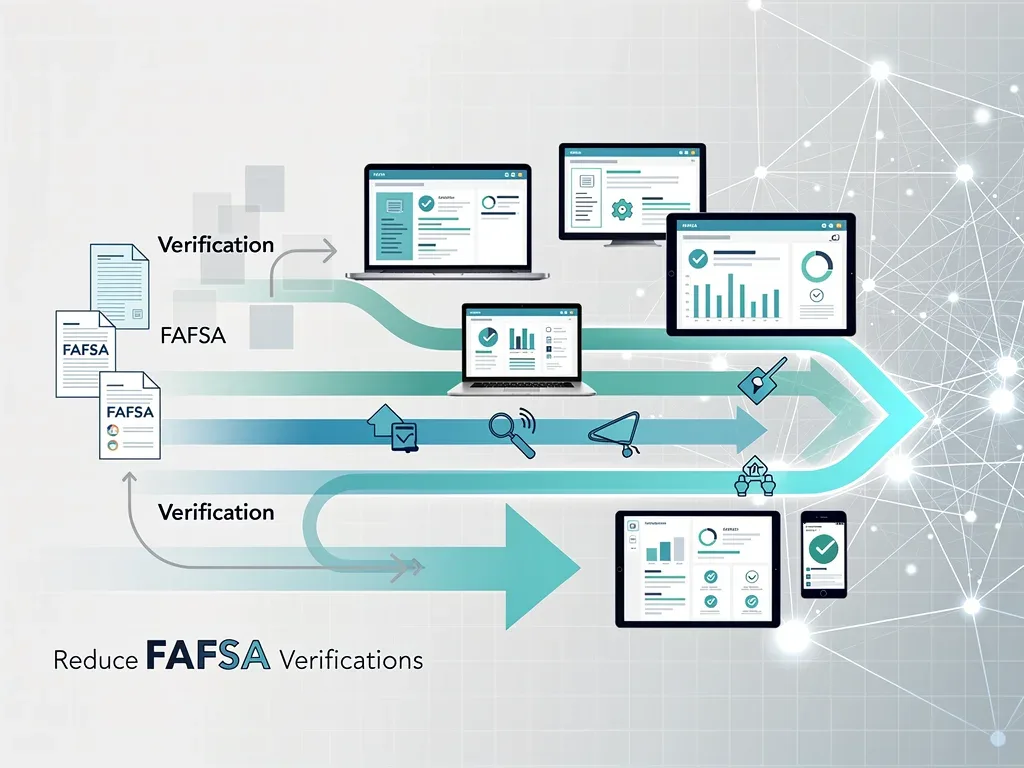
Central to the Department of Education's success in cutting FAFSA verification delays by 50% is a robust investment in technology and enhanced data integration.
The department is leveraging modern data analytics and secure information-sharing protocols to streamline the verification process, moving away from manual, paper-intensive methods that contributed to significant backlogs.
This technological upgrade involves improving the interoperability between the Department of Education's systems and those of other federal agencies, such as the IRS.
By allowing for more seamless and secure exchange of financial data, the need for students to manually gather and submit sensitive documents for FAFSA verification is drastically reduced. This automation is a cornerstone of the new, accelerated timeline.
The department is also implementing advanced algorithms to identify potential discrepancies or fraud more efficiently, ensuring that while the process is faster, it remains secure and fair.
This balanced approach to technological integration is crucial for maintaining the integrity of the financial aid system while simultaneously improving its responsiveness and reducing FAFSA verification delays.
Secure Data Exchange and Privacy Safeguards
A primary concern with increased data integration is always the security and privacy of sensitive student information. The Department of Education assures that robust cybersecurity measures and strict privacy protocols are in place to protect all data exchanged during the FAFSA verification process.
End-to-end encryption for all data transfers.
Compliance with federal data security standards and regulations.
Limited access to sensitive information for authorized personnel only.
Regular audits and vulnerability assessments of the integrated systems.
These safeguards are designed to instill confidence in students and families that their personal and financial data are protected while benefiting from a more efficient FAFSA verification experience. The department's commitment to data security is as strong as its commitment to reducing processing times.
Anticipated Outcomes and Future Projections
The Department of Education anticipates that the overhauled FAFSA timeline, particularly the 50% reduction in FAFSA verification delays, will yield several positive outcomes for the entire higher education ecosystem. Beyond the immediate benefits of faster aid processing, the long-term effects could reshape how students approach college planning and financing.
One major projection is an increase in overall FAFSA completion rates, as a less daunting and quicker process encourages more students to apply for aid. This could lead to a broader distribution of federal financial assistance, reaching more eligible students who might have been deterred by the previous complexities and FAFSA verification delays. The department aims for greater equity in access.
Furthermore, the improved efficiency is expected to free up resources within financial aid offices, allowing them to provide more personalized counseling and support to students.
This shift from administrative burden to student-centered guidance can significantly enhance the quality of service students receive, contributing to their academic success and reducing FAFSA verification delays.
Long-Term Benefits for Higher Education
The long-term benefits extend to the overall health of higher education in the United States. A more efficient financial aid system can help stabilize enrollment numbers, particularly for institutions that serve a high percentage of Pell Grant-eligible students. It also fosters a more predictable financial environment for colleges and universities.
Stabilized and potentially increased college enrollment.
Reduced administrative costs for financial aid offices.
Greater predictability in student financial planning.
Enhanced public trust in federal student aid programs.
The Department of Education's initiative to cut FAFSA verification delays by 50% is viewed as a foundational step towards a more modern, responsive, and effective federal student aid system, setting a precedent for future policy enhancements.
Expert Reactions and Stakeholder Perspectives
The Department of Education's announcement regarding the overhauled FAFSA timeline and the pledge to cut FAFSA verification delays by 50% has garnered significant attention from experts and stakeholders across the higher education landscape.
Initial reactions are largely positive, with many applauding the department's proactive stance on improving student aid accessibility.
Financial aid administrators, who have long advocated for such reforms, express cautious optimism. They recognize the immense potential for reduced administrative burden and improved student satisfaction, but also emphasize the importance of smooth implementation and ongoing support from the department to effectively manage the new processes for FAFSA verification. Their frontline experience is crucial for success.
Student advocacy groups are particularly enthusiastic, highlighting how a faster and less cumbersome FAFSA verification process will directly benefit students from underserved communities.
They view this as a critical step towards dismantling financial barriers that disproportionately affect minority and low-income students, ensuring that the promise of higher education is within reach for more individuals.
What Critics and Supporters Are Saying
Supporters point to the tangible benefits for students and institutions, emphasizing the positive impact on college access and persistence. The commitment to cutting FAFSA verification delays is seen as a clear indicator of the department's dedication to student success.
"A game-changer for student financial planning," according to one university president.
"Long overdue and highly necessary," states a prominent student advocate.
Concerns about potential technical glitches during the initial rollout.
Calls for continuous monitoring and adaptation of the new system.
While the overall sentiment is positive, some experts urge vigilance during the transition phase, stressing the need for clear communication and robust technical support to ensure the new FAFSA verification system operates as intended without creating new unforeseen challenges.
How to Prepare for the New FAFSA Verification Process
With the Department of Education issuing an overhauled FAFSA timeline and cutting FAFSA verification delays by 50%, students and families need to understand how to best prepare for these changes. Being proactive and informed will be key to navigating the new, more efficient system and ensuring a smooth financial aid application experience.
One of the most important steps is to gather all necessary financial documents well in advance of the FAFSA application window.
While the new process aims to reduce the need for manual submissions, having tax returns, W-2 forms, and other income statements readily available can expedite any potential requests for FAFSA verification. This preparedness minimizes last-minute scrambling.
Students should also create and regularly check their Federal Student Aid (FSA) ID. This unique identifier is essential for accessing and signing the FAFSA electronically. Ensuring the FSA ID is active and up-to-date will prevent delays in submitting the application and undergoing any required FAFSA verification.
Tips for a Seamless Application Experience
To maximize the benefits of the new, faster FAFSA verification process, applicants should pay close attention to detail and leverage available resources. Accuracy in the initial application is paramount to avoid triggering unnecessary verification requests.
Complete the FAFSA accurately and thoroughly the first time.
Utilize the IRS Data Retrieval Tool (DRT) if eligible, to automatically import tax information.
Respond promptly to any requests for additional information from the financial aid office.
Stay informed by regularly checking the Department of Education and college financial aid websites.
By following these guidelines, students can take full advantage of the Department of Education's efforts to cut FAFSA verification delays by 50%, ensuring they receive their financial aid packages as quickly as possible.
Key Change | Description |
|---|---|
Verification Delays Cut | Department of Education aims to cut FAFSA verification delays by 50%. |
Streamlined Process | New data integration and automation reduce manual document checks. |
Student Impact | Faster aid eligibility, better college planning, reduced financial stress. |
Institutional Benefits | Reduced workload for financial aid offices, improved student support. |
Frequently Asked Questions About FAFSA Verification
What exactly does "cutting verification delays by 50%" mean?▼
This means the Department of Education is implementing new procedures and technologies to process FAFSA verification requirements twice as fast as before. The goal is to reduce the time students wait for their financial aid eligibility to be confirmed, significantly speeding up the overall financial aid timeline and making the FAFSA verification process more efficient for all applicants.
Why is the Department of Education making these changes now?▼
These changes are a direct response to persistent feedback and widespread criticism regarding the complexity and lengthy delays in the previous FAFSA verification process. The department aims to improve accessibility, reduce student stress, and ensure that financial aid is distributed more efficiently and equitably, directly addressing past challenges with FAFSA verification.
How will these changes affect my financial aid application?▼
You can expect a significantly faster turnaround time for your financial aid eligibility determination, especially if your application is selected for FAFSA verification. This will allow you to receive your aid package sooner, providing more time to make informed decisions about your college enrollment and financial planning, reducing uncertainty surrounding FAFSA verification.
What do I need to do to prepare for the new FAFSA verification timeline?▼
It's crucial to gather all necessary financial documents, such as tax returns and W-2s, well in advance. Ensure your FSA ID is active and accurate. While the process is streamlined, being prepared to respond promptly to any requests for information will help expedite your FAFSA verification and overall aid processing.
Are there any concerns about data privacy with the new streamlined process?▼
The Department of Education assures that robust cybersecurity measures and strict privacy protocols are in place to protect sensitive student information. Data exchange for FAFSA verification will adhere to federal security standards, utilizing encryption and limited access to ensure data integrity and confidentiality while enhancing efficiency.
What this means
The Department of Education's commitment to cutting FAFSA verification delays by 50% marks a pivotal moment for federal student aid.
This overhaul signifies a significant step towards a more student-centric and efficient financial aid system, directly addressing long-standing issues of accessibility and timeliness. Students and institutions should closely monitor further guidance and prepare for a smoother, quicker process.
This development underscores a broader trend towards leveraging technology to improve public services, promising a less stressful path to higher education for millions of Americans.