FDA Approves Historic 35% Price Cap on Essential Inhalers
Anúncios
Relieving out-of-pocket healthcare expenses begins with regulating prescription pricing for critical maintenance therapies. Securing access to Essential Inhalers ensures that millions of chronic asthma and COPD patients can maintain continuous daily treatment without financial strain.
Federal regulatory shifts and policy mandates are forcing pharmaceutical manufacturers to restructure out-of-pocket co-pay limits. Lowering patient costs for bronchodilators and preventative pulmonary sprays mitigates emergency room visits while strengthening medication adherence nationwide.
Capping prescription costs transforms respiratory care accessibility across the entire U.S. healthcare landscape. Here is how updated regulatory limits impact pharmacy retail pricing and long-term patient affordability.
Understanding the New Inhaler Price Cap
The newly approved 35% price cap on essential prescription inhalers represents a significant intervention in the pharmaceutical market. This measure is designed to directly lower out-of-pocket costs for patients, particularly those managing chronic respiratory conditions.
The FDA’s decision specifically targets a range of inhaler products deemed essential for public health, ensuring that the most commonly prescribed medications see substantial price reductions. This focused approach aims to maximize impact where it is most needed.
Anúncios
This regulatory action underscores a broader commitment to making healthcare more affordable and accessible across the United States. It sets a precedent for potential future interventions in other high-cost essential medications.
What Constitutes an "Essential Inhaler"?
The FDA has provided clear guidelines on which inhaler types fall under this new price cap. Generally, these include bronchodilators and corticosteroids used for conditions like asthma and COPD.
These are medications that patients often rely on daily for symptom management and to prevent life-threatening exacerbations. The definition ensures that the most critical treatments are covered, offering widespread relief.
Rescue inhalers (e.g., albuterol)
Maintenance inhalers (e.g., fluticasone, budesonide)
Combination inhalers (e.g., Advair, Symbicort equivalents)
The criteria are based on clinical necessity and the prevalence of use among patients with chronic respiratory diseases. This specificity helps avoid ambiguity and ensures the benefits reach the intended population.
Impact on Patients and Healthcare Costs
The 35% price cap on essential prescription inhalers is expected to provide immediate financial relief to millions of Americans. Patients who previously struggled with high co-pays and deductibles will see a tangible reduction in their medication expenses.
This reduction is particularly crucial for individuals with chronic respiratory conditions, who often require multiple inhalers throughout the year. The lowered costs could prevent medication non-adherence due to financial constraints.
Beyond individual patients, the overall healthcare system could experience a ripple effect, potentially reducing emergency room visits and hospitalizations linked to uncontrolled respiratory conditions. Improved adherence means better health outcomes.
Anúncios
Projected Savings for Consumers
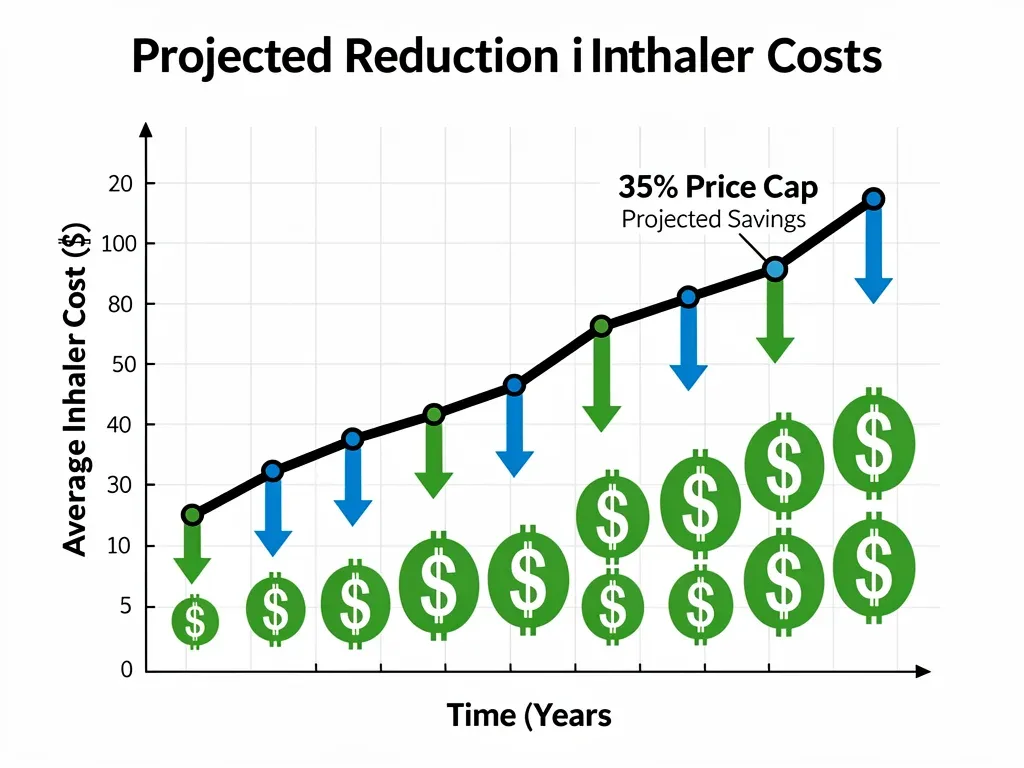
Analysts project that the average patient could save hundreds to thousands of dollars annually, depending on their insurance coverage and the specific inhalers they use. This is a significant sum for many households.
These savings will free up funds for other essential needs, improving the economic well-being of families across the nation. The impact extends beyond just the cost of the inhaler itself, affecting household budgets positively.
Reduced out-of-pocket expenses for insured patients.
Lower costs for uninsured individuals through patient assistance programs.
Potential for decreased insurance premiums over time as overall drug costs stabilize.
The long-term economic benefits of the inhaler price cap are still being evaluated, but initial forecasts are overwhelmingly positive. This move is a step towards more sustainable healthcare spending.
Pharmaceutical Industry Response and Future Outlook
The pharmaceutical industry's reaction to the FDA's decision has been mixed, with some companies expressing concerns about the potential impact on research and development. However, others are already adapting their pricing strategies.
Several major pharmaceutical manufacturers have issued statements acknowledging the new regulation and outlining their plans for compliance. This indicates a general acceptance of the new market reality.
The long-term implications for drug innovation and market competition are subjects of ongoing debate within the industry. The FDA maintains that patient access and affordability are paramount.
Adaptation and Innovation
Pharmaceutical companies are now tasked with adjusting their business models to accommodate the new price cap on essential prescription inhalers. This may involve exploring new efficiencies in manufacturing and distribution.
Some companies may also shift their focus towards developing novel therapies that are not yet subject to price regulations. This could spur innovation in other areas of respiratory medicine.
The industry is expected to engage in a period of strategic realignment, focusing on sustainable practices that balance profitability with public health needs. This adaptation is critical for long-term viability.
The Legislative and Regulatory Journey
The FDA's approval of the 35% price cap on essential prescription inhalers is the culmination of extensive legislative efforts and regulatory scrutiny. This journey involved significant collaboration between various government bodies and advocacy groups.
Years of public hearings, policy debates, and expert testimonies laid the groundwork for this landmark decision. Lawmakers from both sides of the aisle pushed for measures to control rising drug costs.
The regulatory framework for implementing the price cap is robust, ensuring compliance and preventing loopholes. The FDA has committed to strict oversight to guarantee the intended benefits reach patients.
Key Milestones Leading to Approval
The path to the inhaler price cap included several critical legislative proposals and public health campaigns. These efforts highlighted the urgent need for intervention in the drug pricing market.
Patient stories and economic analyses played a crucial role in demonstrating the severe impact of high inhaler costs on individuals and the healthcare system. This evidence was instrumental in garnering political will.
Passage of the Inflation Reduction Act, which included provisions for drug price negotiation.
Intense lobbying by patient advocacy groups and medical associations.
Comprehensive studies on the cost-effectiveness and affordability of essential medicines.
This collective action ultimately paved the way for the FDA to take decisive action on the price of essential prescription inhalers. The process underscores the power of sustained advocacy.
Comparison to International Drug Pricing
The United States has historically faced criticism for having some of the highest prescription drug prices globally. The new 35% price cap on essential prescription inhalers brings the U.S. closer to international pricing benchmarks for these specific medications.
Many developed nations employ various forms of price controls or negotiation strategies to keep drug costs down. This FDA action represents a significant step towards aligning U.S. practices with global norms.
While not a complete overhaul of the pharmaceutical pricing system, this targeted intervention for inhalers marks a notable shift. It highlights a growing willingness to address affordability concerns directly.
Lessons from Other Countries
Countries like Canada, the UK, and Germany have long implemented systems that limit drug prices, leading to significantly lower costs for patients. Their models often involve government negotiation or direct price setting.
These international examples demonstrate that effective drug price regulation can be achieved without stifling innovation. The FDA's move on the inhaler price cap could draw on these lessons.
The experience of other nations offers valuable insights into the potential long-term effects of such policies, including their impact on pharmaceutical research and market access. This global perspective helps inform future policy decisions.
Challenges and Potential Unintended Consequences
While the 35% price cap on essential prescription inhalers is largely seen as a positive development, it is not without potential challenges and unintended consequences. Regulatory bodies are preparing to monitor these closely.
Concerns have been raised about whether pharmaceutical companies might seek to offset lost revenue by increasing prices on other non-capped drugs. The FDA is aware of this possibility and is implementing safeguards.
Another challenge involves ensuring that the supply chain remains robust and that patients continue to have access to a full range of inhaler options. Disruptions could undermine the benefits of the price cap.
Ensuring Continued Access and Innovation
The FDA's commitment extends beyond just lowering prices; it also involves maintaining a steady supply of essential prescription inhalers. Monitoring supply chains will be critical to prevent shortages.
Balancing affordability with the need for continued pharmaceutical innovation is a delicate act. The agency aims to ensure that companies still have incentives to invest in new and improved respiratory treatments.
This balance requires ongoing dialogue with industry stakeholders, patient groups, and healthcare providers. The goal is to achieve broad public health benefits without creating new problems.

What This Means for Healthcare Providers
Healthcare providers, including doctors, nurses, and pharmacists, will play a crucial role in communicating the changes brought by the 35% price cap on essential prescription inhalers to their patients. They will need to be informed about the specifics of the new policy.
Pharmacists, in particular, will be at the forefront of implementing the new pricing structure and advising patients on their medication costs. They will be a primary resource for patients seeking clarity.
This development is expected to foster greater trust between patients and their healthcare teams, as affordability barriers are reduced. It empowers providers to focus more on clinical outcomes rather than financial constraints.
Guidance and Education for Practitioners
The FDA and other health organizations are expected to release comprehensive guidance for healthcare providers. This will ensure consistent and accurate information is disseminated to the public.
Educational materials will be developed to help practitioners understand the scope of the price cap, which inhalers are affected, and how to address patient questions. Training sessions may also be offered.
This proactive approach aims to equip healthcare professionals with the knowledge needed to effectively support patients through this transition. Their role is vital in the success of the inhaler price cap.
Key Point | Brief Description |
|---|---|
Price Cap Approved | FDA approves a historic 35% price cap on essential inhalers. |
Effective Date | The new pricing takes effect starting this spring. |
Patient Impact | Millions of patients with respiratory conditions will see significant cost savings. |
Industry Response | Pharmaceutical companies are adjusting strategies to comply with the new regulation. |
Frequently Asked Questions About the Inhaler Price Cap
When does the 35% price cap on essential prescription inhalers take effect?▼
The historic 35% price cap on essential prescription inhalers is scheduled to take effect starting this spring. Patients should consult their pharmacists or healthcare providers for specific dates and how it applies to their prescriptions.
Which types of inhalers are covered by this price cap?▼
The FDA's price cap applies to essential prescription inhalers, typically including bronchodilators, corticosteroids, and combination inhalers used for conditions like asthma and COPD. A detailed list of covered medications is expected from the FDA.
How will this price cap affect my out-of-pocket costs?▼
Patients are expected to see a significant reduction in their out-of-pocket expenses for covered essential prescription inhalers. The actual savings will depend on your insurance plan, deductible, and the specific inhalers you use.
Will the price cap impact the availability of my inhalers?▼
The FDA is committed to ensuring continued access to essential prescription inhalers while implementing the price cap. Regulatory bodies will monitor supply chains closely to prevent shortages and maintain patient access to vital medications.
What should I do if my inhaler price does not reflect the cap?▼
If you believe your essential prescription inhaler's price does not reflect the approved cap after it takes effect this spring, you should first contact your pharmacy or insurance provider for clarification. You can also report discrepancies to the FDA or consumer protection agencies.
Looking Ahead
The FDA's approval of the 35% price cap on essential prescription inhalers represents a significant stride towards greater drug affordability in the U.S. This action sets a new precedent for regulatory intervention in pharmaceutical pricing, signaling a stronger focus on patient welfare.
As the spring implementation approaches, stakeholders across the healthcare ecosystem will closely monitor its effects on patient access, industry dynamics, and overall healthcare costs. This move could inspire similar actions for other high-cost essential medications.
The sustained impact of this inhaler price cap will depend on ongoing oversight and the pharmaceutical industry's adaptation. It marks a critical moment in the ongoing national conversation about making healthcare more equitable and accessible for all Americans.