Is Refinancing Worth It at 5.8%? Break-Even Timelines Explained
Anúncios
Locking in a 5.8% 30-year fixed rate can offer significant relief if your current mortgage sits well above 6.5%, but evaluating Refinancing requires looking past the headline interest rate. The real test of whether this move makes financial sense comes down to calculating your exact break-even timeline—the point where your monthly savings outweigh your upfront closing costs.
Refinancing fees—including origination, appraisal, and title charges—typically run between 2% and 3% of your total loan principal. Dividing these total closing costs by your net monthly payment reduction reveals how many months you must stay in the home before the transaction begins generating real profit.
If you plan to sell or move before reaching that break-even threshold, refinancing will actually drain your capital rather than build equity. Here is how to calculate your break-even horizon and determine if locking in a 5.8% rate serves your long-term wealth strategy.
Understanding the 5.8% Mortgage Rate Landscape
The current economic climate has positioned mortgage rates at various levels, making a 5.8% offering a point of consideration for many homeowners. This rate, while not historically low, may still represent a significant saving for those with higher existing interest rates.
Assessing the viability of refinancing at this specific rate requires a comprehensive look at market trends and individual financial situations. It is not a one-size-fits-all scenario, and personal circumstances play a pivotal role in the decision-making process.
Anúncios
Industry experts emphasize that a 5.8% fixed rate for a 30-year loan can be attractive, but only when carefully weighed against current loan terms and future financial goals. The immediate benefit needs to be balanced against the long-term commitment.
Current Market Context for Refinancing
As of recent reports, mortgage rates have shown some volatility, influenced by inflation, Federal Reserve policies, and global economic factors. A 5.8% rate for a 30-year fixed mortgage reflects a specific point in this dynamic market.
For homeowners with existing loans at 6.5% or higher, a 5.8% rate could offer substantial monthly savings. Conversely, those with rates closer to or below 5.8% would find little benefit, or even face increased costs, depending on their break-even point.
Economic indicators influencing mortgage rates include inflation data and unemployment figures.
Federal Reserve actions, particularly interest rate adjustments, directly impact lending rates.
Geopolitical events can also introduce volatility, causing rates to shift unexpectedly.
Factors Driving Refinancing Decisions
Several key factors drive a homeowner's decision to refinance, beyond just the interest rate. These include the desire to lower monthly payments, shorten the loan term, or tap into home equity.
A 5.8% rate might align with these objectives, but only after a thorough analysis of all associated costs and potential long-term gains. Personal financial stability and credit score also significantly influence the terms offered by lenders.
The primary motivation for many is to reduce their overall interest paid over the life of the loan. Even a seemingly small reduction in rate, such as from 6.5% to 5.8%, can translate into tens of thousands of dollars in savings.
Calculating Your Break-Even Point: A Critical Step
The break-even point is the moment when the savings from your lower interest rate outweigh the costs of refinancing. Understanding this timeline is fundamental to determining if Is Refinancing Worth It at 5.8%?.
Anúncios
This calculation involves summing all refinancing fees and dividing that total by the monthly savings achieved through the new, lower interest rate. The result is the number of months it will take to recoup your initial investment.
For example, if refinancing costs $4,000 and the new loan saves you $100 per month, your break-even point is 40 months. If you plan to sell your home before this period, refinancing might not be financially advantageous.
Identifying All Refinancing Costs
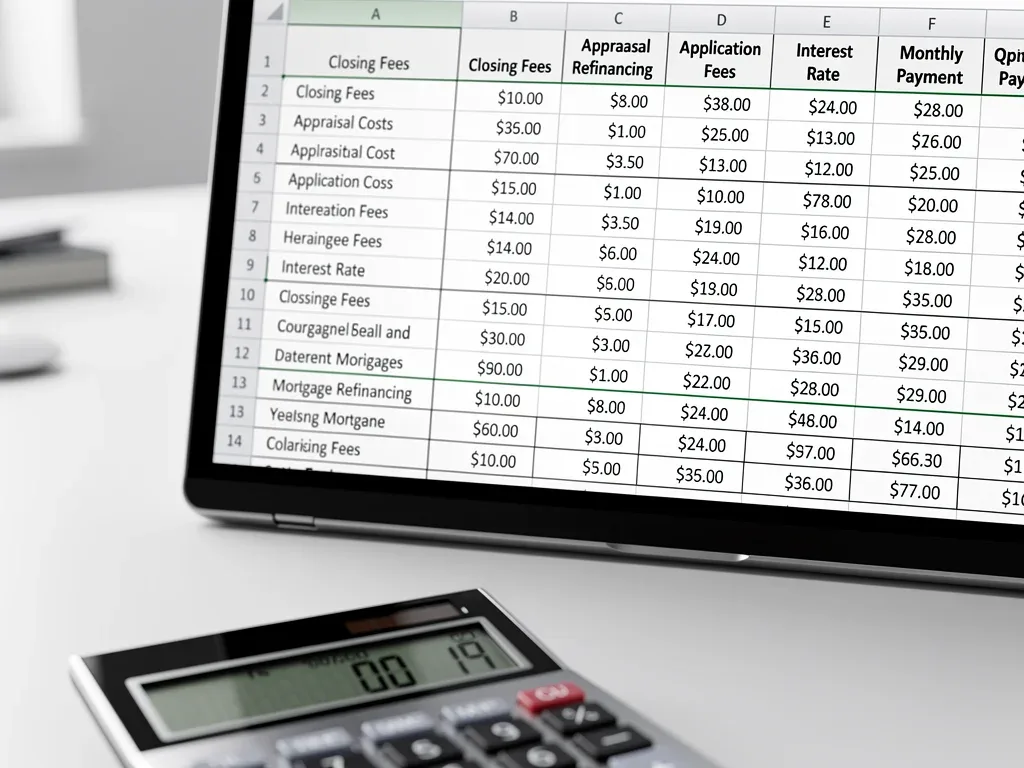
Refinancing is not free; it involves several fees that can add up quickly. These typically include origination fees, appraisal fees, title insurance, and closing costs, which can range from 2% to 5% of the loan amount.
It is crucial to obtain a detailed loan estimate from prospective lenders, itemizing every charge. Comparing these estimates across multiple lenders can help identify the most cost-effective option and reduce overall out-of-pocket expenses.
Some lenders may offer "no-closing-cost" refinances, but these often come with a slightly higher interest rate or are rolled into the loan principal, meaning you pay interest on them over time. Understanding these nuances is key.
Origination Fees: Charges by the lender for processing the loan.
Appraisal Fees: Cost for an independent assessment of your home's value.
Title Insurance: Protects both the lender and homeowner against title defects.
Closing Costs: Various fees paid at the close of the refinance transaction.
Determining Monthly Savings
To accurately determine monthly savings, compare your current monthly principal and interest payment with the projected payment at a 5.8% interest rate. This difference is your gross monthly saving.
However, also consider any changes in property taxes or homeowner's insurance if they are escrowed. While the interest rate primarily drives savings, a comprehensive view of the new monthly payment is essential.
Using online mortgage calculators or consulting with a financial advisor can provide precise figures. Be sure to input the full loan amount, interest rate, and term for both your current and prospective loans.
Analyzing the Long-Term Impact of a 5.8% Rate
Beyond the immediate break-even point, assessing the long-term impact of refinancing at 5.8% on a 30-year fixed loan is paramount. This involves looking at the total interest paid over the life of the loan and how it aligns with your financial trajectory.
A lower interest rate reduces the overall cost of borrowing, even if the monthly savings seem modest. Over three decades, these smaller savings accumulate significantly, freeing up capital for other investments or financial goals.
However, if you are extending your loan term, even with a lower rate, you might end up paying more interest in total. This trade-off needs careful consideration to ensure the refinance truly benefits your long-term financial health.
Total Interest Paid Over the Loan Term
One of the most compelling reasons to refinance is to reduce the total interest paid. A 5.8% rate will undoubtedly decrease the overall interest burden compared to a higher existing rate, assuming the loan term remains the same or is shortened.
It is important to compare the amortization schedules of your current loan and the potential new loan. This will clearly illustrate the difference in interest paid over the entire 30-year period, providing a clear financial advantage.
Even if the break-even point is several years out, the cumulative interest savings can be substantial, making Is Refinancing Worth It at 5.8%? a positive answer for many.
Impact on Your Financial Goals
Refinancing should ideally support your broader financial goals, whether that's early retirement, funding education, or increasing investment capacity. A lower monthly payment can free up cash flow for these objectives.
Conversely, if refinancing extends your loan term or incurs significant upfront costs that deplete emergency savings, it might hinder other financial aspirations. The decision must be holistic, integrating with your overall financial plan.
Consider how the freed-up funds will be utilized. Investing the savings wisely can accelerate wealth accumulation, further enhancing the financial benefits of refinancing at 5.8%.
When Refinancing at 5.8% Makes Sense
Refinancing at 5.8% for a 30-year fixed loan often makes sense when your current interest rate is significantly higher, leading to substantial monthly savings. This scenario provides a clear financial incentive to pursue the new loan terms.
Additionally, if you plan to stay in your home for a period longer than your calculated break-even point, the long-term savings will outweigh the initial costs. This commitment to the property is a crucial factor in the refinancing equation.
Another compelling reason could be to consolidate other high-interest debts into your mortgage, provided the overall financial benefit is clear and the new payment remains manageable. This can simplify finances and reduce total debt burden.
Scenarios for Advantageous Refinancing
One advantageous scenario is when market interest rates have dropped considerably since you originated your current mortgage. If your existing rate is 6.5% or 7%, a 5.8% rate represents a meaningful reduction.
Another scenario involves homeowners who have significantly improved their credit score since their initial mortgage. A better credit score can qualify them for more favorable terms, including a 5.8% rate, even if general market rates haven't dramatically shifted.
Your current interest rate is at least 0.75% to 1% higher than 5.8%.
You intend to stay in your home for at least 3-5 years, covering the typical break-even period.
Your credit score has improved, allowing access to better rates and terms.
Considering Your Homeownership Horizon
Your anticipated length of homeownership is perhaps the most critical factor when evaluating Is Refinancing Worth It at 5.8%?. If you expect to sell your home within a few years, the costs of refinancing might not be recovered.
Conversely, if you envision staying in your home for a decade or more, even a modest reduction in your interest rate can lead to substantial savings over time. This long-term perspective is essential for maximizing the benefits.
Always calculate your break-even point and compare it against your expected tenure in the home. This simple comparison can prevent a costly financial misstep and ensure your refinancing decision is sound.
Potential Drawbacks and Risks
While refinancing at 5.8% can offer significant benefits, it's crucial to acknowledge the potential drawbacks and risks involved. Overlooking these aspects can lead to unexpected financial strain or negate the intended advantages of the new loan.
One primary concern is the accumulation of closing costs and fees, which can be substantial and may take several years to recoup through monthly savings. These upfront expenses can sometimes outweigh the benefits if your homeownership horizon is short.
Another risk involves extending the loan term. If you refinance a loan that is already several years old back to a new 30-year term, you could end up paying more interest over the life of the loan, despite a lower interest rate, as you are restarting the amortization schedule.
High Upfront Costs and Fees
The upfront costs associated with refinancing can range from 2% to 5% of the loan amount, covering items like loan origination fees, appraisal fees, title insurance, and various closing costs. These can quickly add up to thousands of dollars.
For example, on a $300,000 loan, these costs could be anywhere from $6,000 to $15,000. Homeowners must have these funds readily available or be prepared to roll them into the new loan, which increases the principal and the amount of interest paid over time.
Failing to account for these significant costs can distort the true financial benefit of refinancing. Always ensure you have a clear understanding of all fees before committing to a new loan.
Restarting the Loan Amortization Schedule
A common pitfall in refinancing a 30-year fixed loan is restarting the amortization clock. If you’ve already paid into your current mortgage for several years, a significant portion of your payments has gone towards principal reduction.
By refinancing to a new 30-year term, you effectively reset this process, with a larger proportion of your early payments going towards interest again. Even with a lower rate, this can result in paying more interest over the combined life of both loans.
Consider a shorter loan term, such as a 15-year fixed mortgage, if your budget allows. This can accelerate principal repayment and significantly reduce the total interest paid, making Is Refinancing Worth It at 5.8%? more advantageous.
Alternative Strategies to Consider
Before committing to refinancing at 5.8%, it's prudent to explore alternative financial strategies that might achieve similar or even better outcomes without the associated costs and complexities. These alternatives can sometimes provide more flexibility or a quicker path to financial relief.
One such strategy is making additional principal payments on your existing mortgage. This can significantly reduce the total interest paid and shorten the loan term without incurring refinancing fees. Even small, consistent extra payments can have a substantial impact over time.
Another option is to explore home equity lines of credit (HELOCs) or home equity loans if your primary goal is to access cash. While these come with their own interest rates and terms, they might be more suitable for specific, short-term financial needs compared to a full mortgage refinance.
Making Extra Principal Payments
Making extra principal payments directly reduces the outstanding balance of your mortgage, meaning less interest accrues over the life of the loan. This strategy is particularly effective if your current interest rate isn't excessively high but you still want to save money.
Even adding an extra $50 or $100 to your monthly payment can shave years off your loan term and save thousands in interest. Many lenders allow you to specify that extra funds go directly towards principal, ensuring maximum benefit.
Reduces total interest paid without incurring new closing costs.
Shortens the loan term organically, based on your payment capacity.
Provides flexibility; you can increase or decrease extra payments as your financial situation changes.
Exploring Loan Modifications or HELOCs
If you're struggling with your current mortgage payments, a loan modification might be a viable option. This involves working with your existing lender to alter the terms of your loan, potentially lowering your interest rate or extending the term, without the full refinancing process.
For those looking to access home equity for renovations, debt consolidation, or other large expenses, a Home Equity Line of Credit (HELOC) or a home equity loan could be more appropriate. These are separate loans that leverage your home's equity, avoiding the need to refinance your entire primary mortgage.
While these alternatives don't directly answer the question Is Refinancing Worth It at 5.8%?, they offer valuable paths for homeowners seeking financial optimization or relief.
Expert Opinions and Current Trends
Financial experts widely agree that the decision to refinance should always be data-driven and tailored to individual circumstances. While a 5.8% rate on a 30-year fixed loan might appear attractive on paper, its true value depends on a confluence of personal and market factors.
According to recent analyses from major financial institutions, homeowners with existing rates significantly above 5.8% are the prime candidates for a beneficial refinance. The current trend suggests a cautious approach, emphasizing the importance of calculating the break-even point diligently.
Analysts at Fannie Mae and Freddie Mac consistently highlight that transaction costs are a major determinant of refinancing success. They advise homeowners to factor in all fees and to ensure a clear understanding of the long-term commitment before proceeding.
What Financial Advisors Recommend
Financial advisors typically recommend a thorough review of your entire financial picture before considering a refinance. This includes assessing your credit score, current debt load, emergency savings, and future income stability.
They stress the importance of comparing multiple loan offers to ensure you secure the most competitive terms and the lowest possible fees. A difference of even a quarter of a percentage point can translate into significant savings over a 30-year loan term.
Many advisors suggest that if your break-even point is longer than your expected time in the home, refinancing is generally not advisable. They advocate for a conservative estimate of homeownership duration to avoid potential losses.
Obtain loan estimates from at least three different lenders.
Consult a financial advisor to review your specific situation.
Prioritize reducing the total interest paid over simply lowering the monthly payment.
Market Projections and Rate Outlook
Current market projections indicate that mortgage rates may experience continued fluctuations in the coming months, influenced by inflation control measures and global economic stability. While predicting exact future rates is challenging, experts suggest staying informed.
For those wondering Is Refinancing Worth It at 5.8%?, monitoring these projections can help in timing the refinance decision. A slight dip in rates could offer an even better opportunity, but waiting too long also carries risks.
The general outlook from economists points towards a potential stabilization of rates, rather than a steep decline. This suggests that a 5.8% rate might remain a competitive option for the foreseeable future, making the current analysis particularly relevant.
The Process of Refinancing Your Mortgage
Once you’ve determined that refinancing at 5.8% is a potentially viable option for your 30-year fixed loan, understanding the process is the next crucial step. The refinancing journey involves several stages, from application to closing, each requiring attention to detail.
The process typically begins with gathering necessary financial documents, such as income statements, tax returns, and current mortgage details. This initial preparation streamlines the application phase and helps lenders assess your eligibility quickly.
Following application, lenders will review your credit history, order an appraisal of your home, and conduct a title search. Each of these steps is vital to ensuring the new loan meets both lender requirements and regulatory standards.
Key Steps in the Refinancing Journey
The first key step is to shop around for lenders. Do not settle for the first offer you receive. Comparing loan estimates from at least three different lenders can save you thousands of dollars in interest and fees over the life of the loan.
Next, submit your application with all required documentation. Be prepared for a thorough review of your finances. This is where your credit score and debt-to-income ratio will heavily influence the terms you are offered, including the 5.8% rate.
Application Submission: Provide all financial documents for review.
Loan Processing: Lender assesses credit, income, and property value.
Appraisal and Title Search: Determines home value and verifies clear title.
Underwriting: Final review of all documentation before approval.
Closing: Sign new loan documents and finalize the refinance.
What to Expect During Closing
The closing phase is the final step where all parties sign the new loan documents. You will review and sign numerous legal disclosures and agreements, including the promissory note and the new mortgage or deed of trust.
Be prepared for a detailed explanation of all closing costs, which will be paid at this time unless they are rolled into the loan. This is your last opportunity to ask any questions and ensure you fully understand the terms of your new 5.8% 30-year fixed loan.
A rescission period, typically three business days, may follow closing for primary residences, allowing you to cancel the refinance if you change your mind. This period provides an important safeguard for homeowners.
Key Point | Brief Description |
|---|---|
Break-Even Calculation | Crucial for determining when savings outweigh refinancing costs. |
Long-Term Impact | Evaluates total interest paid and alignment with financial goals. |
Refinancing Risks | Consider upfront costs and restarting the amortization schedule. |
Alternative Strategies | Explore extra payments or HELOCs before committing to refinance. |
Frequently Asked Questions About Refinancing at 5.8%
Is 5.8% a good interest rate for a 30-year fixed mortgage refinance?▼
Whether 5.8% is a 'good' rate depends on your current mortgage rate and financial situation. If your existing rate is significantly higher, say 6.5% or more, then 5.8% could offer substantial savings. It's essential to compare it against your current terms and calculate your break-even point.
How do I calculate my break-even point for refinancing?▼
To calculate your break-even point, divide the total cost of refinancing (closing costs, fees, etc.) by your monthly savings from the new, lower interest rate. The result is the number of months it will take to recoup your initial investment in the refinance.
What are the typical costs associated with refinancing a mortgage?▼
Refinancing costs typically range from 2% to 5% of the loan amount and include origination fees, appraisal fees, title insurance, and various closing costs. These are upfront expenses that need to be factored into your decision and break-even calculation.
Will refinancing at 5.8% extend my loan term and total interest paid?▼
If you refinance an older loan into a new 30-year term, you restart the amortization schedule, which can increase the total interest paid over the combined life of both loans, even with a lower rate. Consider a shorter term if feasible to mitigate this effect.
What alternatives should I consider before refinancing at 5.8%?▼
Before refinancing, consider making extra principal payments on your current mortgage to save interest. You might also explore a loan modification with your current lender or utilize a Home Equity Line of Credit (HELOC) for specific financial needs, depending on your goals.
What this means
The analysis of Is Refinancing Worth It at 5.8%? underscores the necessity of a personalized financial assessment. Homeowners must meticulously calculate their break-even point and align it with their long-term plans.
As market conditions evolve, staying informed about current rates and understanding all associated costs remains paramount. This strategic approach ensures that any refinancing decision contributes positively to overall financial health and stability.